








America’s great outdoors isn’t just a backdrop for photos. It’s where you find quiet mornings, big views, and the kind of reset you can’t get indoors. But the more we travel, the more our impact adds up.
That’s where the Leave No Trace (LNT) principles come in. It’s a simple way to enjoy wild places while keeping them healthy for the next person who shows up with the same sense of wonder.
In this guide, we’ll walk through what the Leave No Trace principles are, why they matter, and how to apply them on your outdoor adventures. Get ready to explore responsibly and learn how to leave without a trace, when visiting destinations in our Adventures Unbound portfolio or other natural wonders around the United States.

What are The Leave No Trace Principles?
“Leave No Trace” is both a mindset and a practical toolkit. The seven principles, first developed by federal land managers and formalized by the Leave No Trace Center for Outdoor Ethics, offer a clear framework for reducing human impact.
You don’t need to be an expert backpacker to use them. They apply to everything from a quick picnic to a multi-day backcountry trip.
Below is the quick view of the LNT principles:
Principle |
What it means |
Plan ahead and prepare |
Check the local rules and any special concerns before you go. Pack for challenging weather conditions and common risks, then choose dates and routes that avoid the busiest times – and keep your group small. |
Travel and camp on durable surfaces |
Stick to established trails and campsites; choose rock, gravel, dry grasses or snow as your base; camp at least 200 feet from lakes and streams and keep campsites small. |
Dispose of waste properly |
Pack out all trash and leftover food, use toilet facilities when available or dig a 6–8-inch cathole at least 200 feet away from water for solid waste, and pack out toilet paper and hygiene products. |
Leave what you find |
Preserve cultural and natural objects by taking photos instead of souvenirs, avoid introducing non-native species and do not build structures or dig trenches. |
Minimize campfire impacts |
Consider using a lightweight stove; when fires are permitted, use established fire rings or pans, keep fires small, burn wood completely to ash and scatter the cool ashes. |
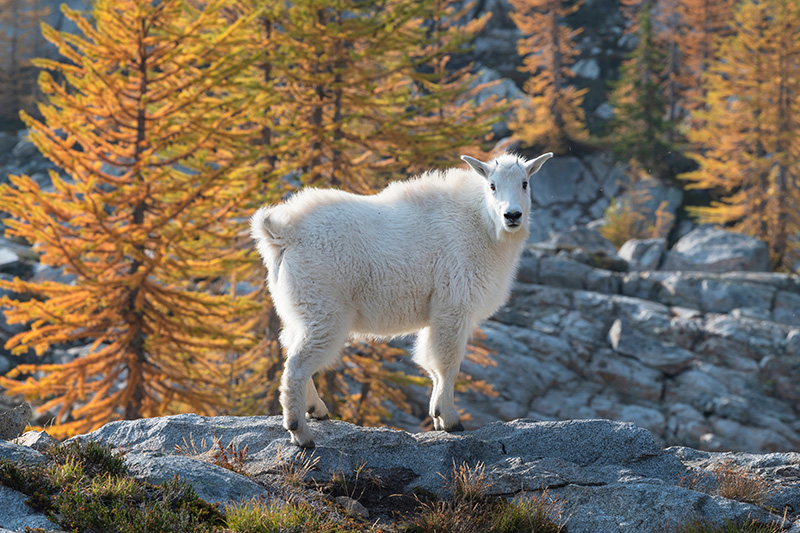
Respect wildlife |
Observe animals from a distance and never feed them; store food securely and keep pets under control to protect wildlife and yourself. |
Be considerate of other visitors |
Respect other travelers by yielding on trails, keeping noise down and choosing campsites away from busy paths. |
On their own, these may sound like common sense. Together, they protect fragile habitats and make outdoor spaces better for everyone.
The 7 Leave No Trace Principles in Action
1. Plan Ahead and Prepare
Thoughtful planning reduces impact before you even arrive. When you check local rules (permits, group size, campfires), watch the weather, and pick lower-traffic times, you’re setting yourself up for a smoother trip with less impact.
Do this:
|
2. Travel and Camp on Durable Surfaces
When camping, knowing how to leave no trace begins with deciding where you step and where you stop. Stick to established trails and campsites when they’re available, and skip the switchback cuts – those “shortcuts” are how erosion starts. When you camp, keep your site small and use already impacted areas.
Choose surfaces like:
|
3. Dispose of Waste Properly
This one’s simple: pack out what you pack in every time. That includes leftover food, wrappers, and tiny “microtrash” like bottle caps and twist ties. Use a small amount of biodegradable soap, strain dishwater, and scatter the water widely across durable ground.

Waste basics:
|
4. Leave What You Find
Let nature remain as you found it. Take photos instead of souvenirs, and don’t stack rocks, carve trees, or dig trenches – those changes linger long after you’ve gone.
Also:
|
5. Minimize Campfire Impacts
Campfires can leave lasting scars on the ground, especially in busy or fragile areas. If fires are allowed, use established rings or pans and keep fires small. Also, don’t forget to check local restrictions – fire bans change by season and conditions.
Safer choices:
|
6. Respect Wildlife
Wildlife needs space to thrive naturally. Observe animals from a distance, never feed them, and store food and trash securely so nothing becomes an easy meal.
Do this:
|
7. Be Considerate of Other Visitors
Leave space for other people to enjoy the outdoors, too. Keep noise down and yield appropriately on trails, and don’t crowd viewpoints or campsites.
Good trail etiquette:
|
If you’re looking for tips on how to leave no trace when camping, hiking, or even just going on a simple picnic, these seven steps above are your foundation – practical and easy to follow anywhere.
Why Leave No Trace Matters on Every Trip
The Leave No Trace policy, in essence, means leaving things “the same or better than you found them”.
When we pack out trash, stay on trails, and respect wildlife, we protect habitats, reduce pollution, and preserve cultural resources. We also help ensure the next visitor gets the same feeling of discovery.
Practicing LNT builds a culture of stewardship. It’s a simple way to show we care about the places we love, not just the trips we take.
Further Readings: |
Now that You Know How to Leave Without a Trace…
Mastering the LNT principles comes down to awareness and respect. From planning and packing to camping and hiking, every choice is a chance to reduce your impact.
Ready to practice Leave No Trace on your next vacation? Adventures Unbound can help. Our team has intimate knowledge of the parks, marinas and lodges we manage, and we’re passionate about responsible travel.
Discover Adventures Unbound destinations and begin your next journey with confidence, now that you’ve learned how to leave without a trace.