


There’s a certain thrill in anticipating your next outdoor adventure – the whisper of leaves, the sparkle of a hidden spring, the promise of sun on your shoulders. It can’t be ignored that outdoor adventures can come with a certain amount of risk (all travel does, in fact), but knowing what you should do when planning outdoor activities ensures that any risk you may face can be mitigated and minimized as much as possible.
This guide from Adventures Unbound will help you understand what you should do when planning outdoor activities in detail, with the goal of putting you in a position to do it well, and really get the most from the activities and experiences that you choose to participate in.
Why is Planning & Preparation Important?
When you plan an outdoor adventure or activity well beforehand, it can be as liberating as the activity itself. You feel more prepared if something unexpected happens, and you have the reassurance of that ‘prepared’ feeling in the back of your mind. As a result, you’re in a better place to savor every moment and make lasting memories.
Whether you’re paddling through mangroves, hiking forested trails, or gliding past turquoise springs, thoughtful preparation allows you to move through nature with curiosity and ease, ready to embrace the stunning majesty of nature and the amazing experiences that await you amidst it.
Start With Your Intentions
Every great adventure begins with a question: What do you hope to feel, see, and experience? Understanding your goals helps shape your choices – your route, your pace, and even the gear you pack. So, start planning by asking questions like ‘what are some fun outdoor activities that I want to do on this trip?’, and ‘How do I want this trip to make me feel?’. You can then use the answers you get from these questions to guide subsequent choices on your planning journey.
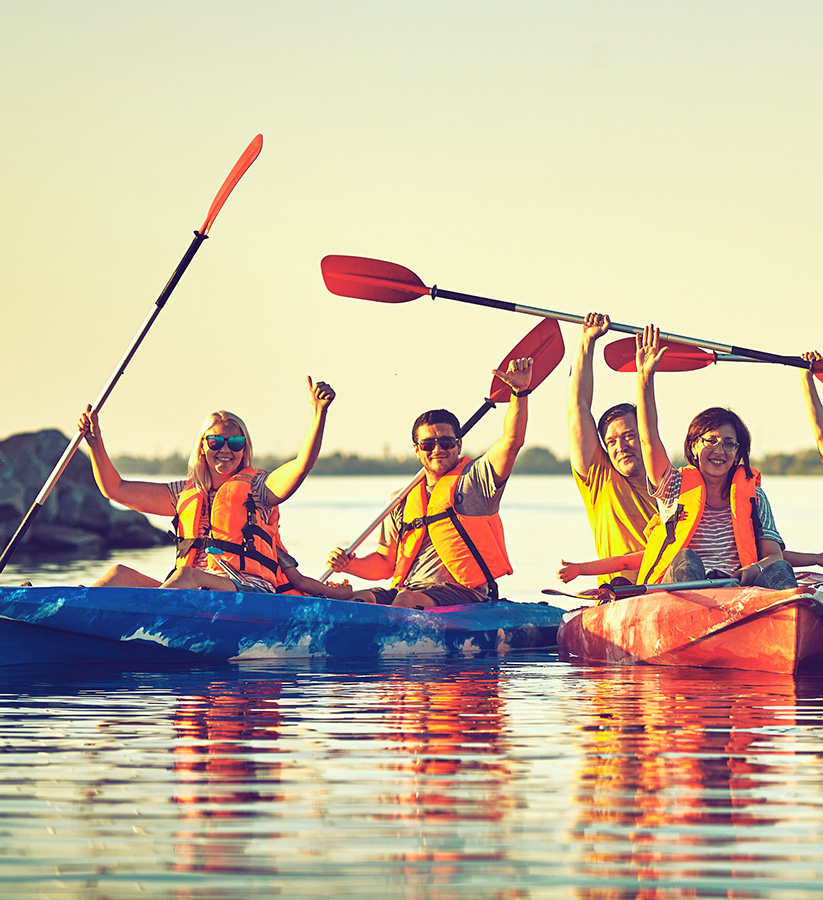
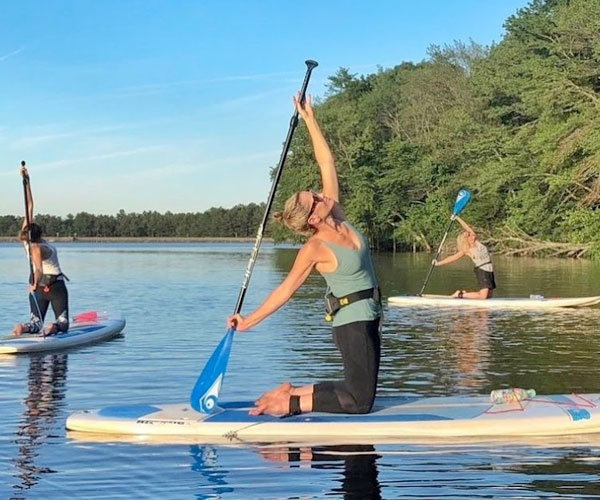
At Oleta River Adventures, for example, beginners can paddle gently through tranquil mangrove trails, or simply soak in the calm waters at their own pace, while more adventurous visitors might aim for Sandspur Island or explore winding channels teeming with wildlife. Rent a kayak, canoe, or stand-up paddleboard, and let an experienced team guide you with easy-to-follow maps and tips.
Here, planning isn’t about rigid schedules – it’s about knowing that what you should do when planning outdoor activities depends on what you want to get out of the trip (at least in part).
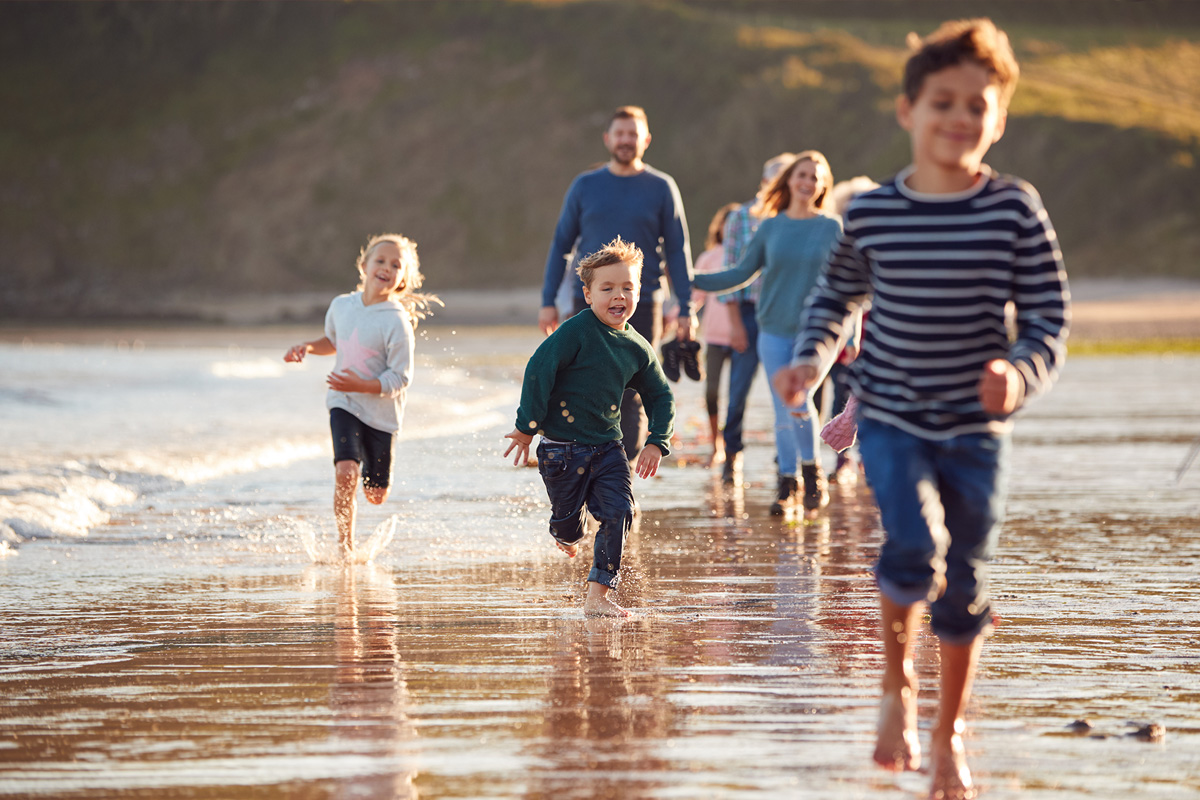
Don’t forget to also consider the abilities and interests of everyone in your group. Families with young children might enjoy gentle paddles and short hikes, while thrill-seekers can take in the rugged beauty of an adventure like the Black Canyon at Hoover Dam Rafting Adventures, spotting wildlife along the Colorado River.
Planning ensures everyone leaves with exhilaration, wonder, and safety intact.
Choosing the Ideal Destination
Selecting the right destination sets the tone for your outdoor adventure. Again here you should begin by considering what kind of adventure you want – whether it’s tranquil paddling, scenic hikes, something else, or a mix of experiences. Think about accessibility, the activities available, and the seasonal weather, so your plans align with your group’s interests and skill levels.
Look for destinations that match the type of adventure you’re seeking. If you prefer gentle paddling, biking along scenic trails, or a peaceful day by the water, you might want to choose somewhere like Oleta River Adventures, where mangrove trails and miles of biking paths offer the perfect balance of activity and relaxation.
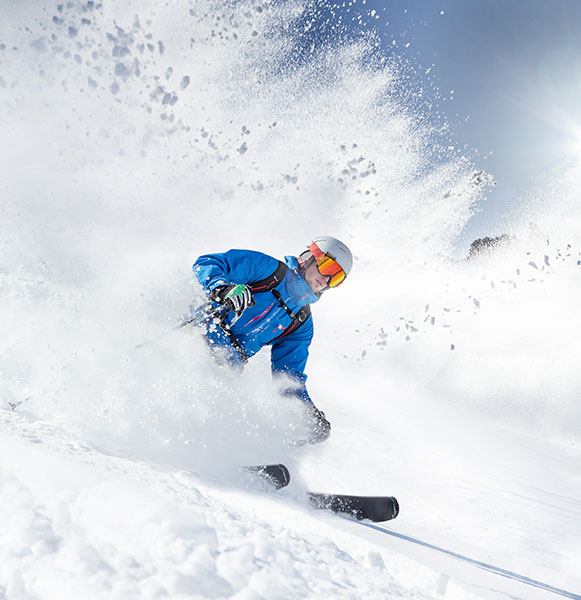
If you’re drawn to hiking rugged trails, exploring mountain scenery, or enjoying winter sports like cross-country skiing and ice skating, Bear Mountain State Park provides scenic walks, serene lodges, and cozy spots to unwind after a day outdoors.
By matching your interests with the right location, you can create an adventure that’s both exhilarating and restorative. Research ahead, check whether any permits or reservations might be required, and choose locations that let you fully enjoy both the activity and the environment.
Thoughtful selection ensures your adventure is safe, rewarding, and memorable.
Pack With Purpose
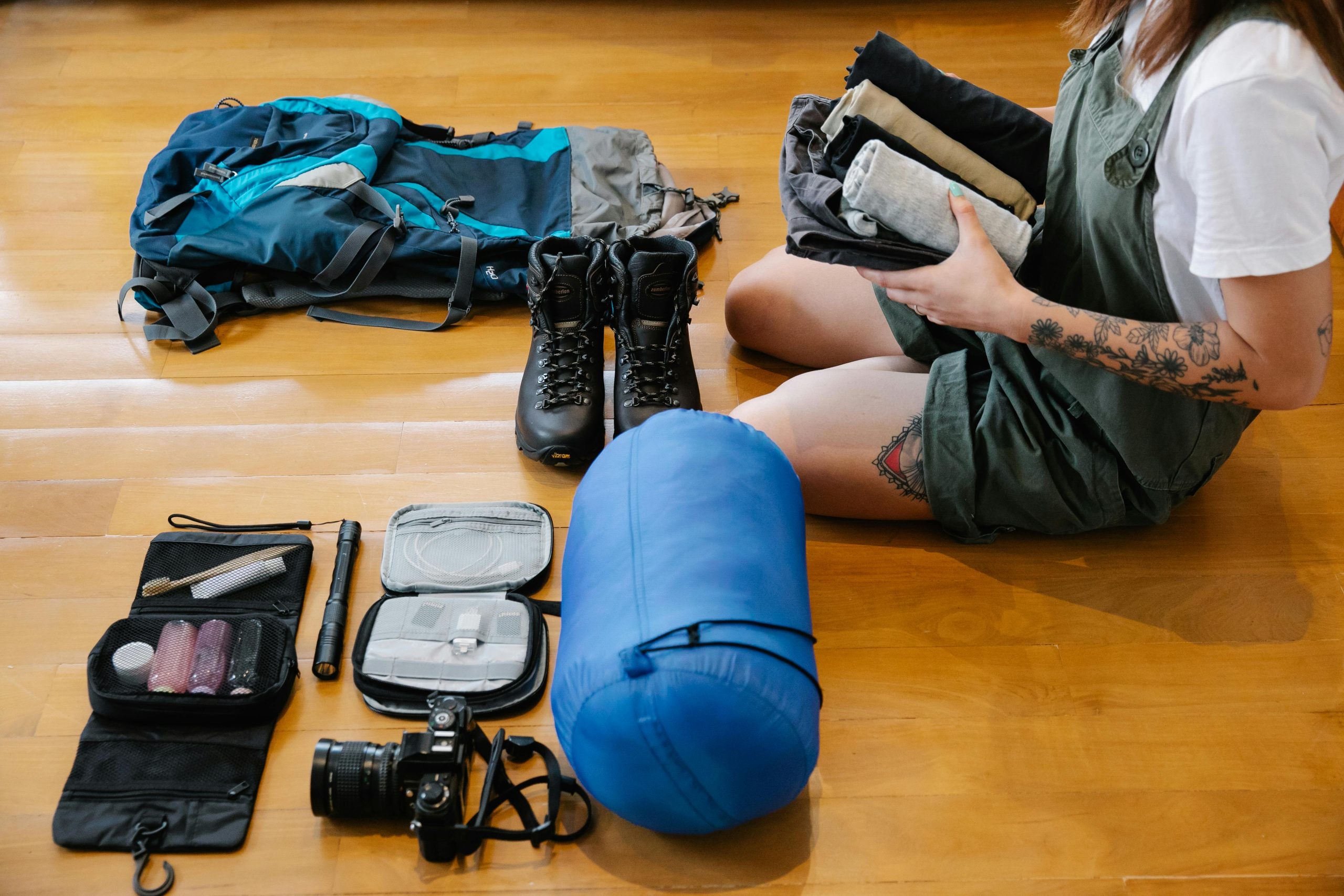
Packing isn’t just about what fits in your backpack. It’s about what makes the adventure possible. Lightweight layers, waterproof gear, and easily portable snacks allow you to move freely. Repurposing food containers or using minimal packaging also helps you leave the land as pristine as you found it.
Knowing what fun outdoor activities you might do ahead of time helps you bring the right equipment: for instance, at Blue Spring State Park, having snorkel gear or swimwear ready allows you to glide effortlessly alongside fish (and maybe even manatees too) without disturbing them. Likewise, if you know you’re going kayaking, a change of dry clothes, some towels and an empty bag for any gear that does get wet might be good things to have on hand. You might not need these if you’re staying on dry land, but hiking boots or a basic bike maintenance kit could come in very handy for forest trails, as could binoculars for birdwatching or environmentally-conscious wildlife spotting.
Planning also includes anticipating the unexpected: sudden rain, changing temperatures, or trail closures. By preparing thoughtfully, you can embrace spontaneity without stress – turning surprises into new adventures.
Safety While Outdoors
The beauty of nature is intertwined with unpredictability. Before leaving on an adventure, check weather conditions, pack a first aid kit, and share your plans with someone you trust. Travel with companions whenever possible too; there’s magic in shared discovery and reassurance in numbers.
Understanding what the most popular outdoor activities are at your chosen destination can also help you decide when to visit. For example, swimming or tubing in natural springs becomes especially meaningful during seasonal wildlife moments, such as manatee season at Blue Spring State Park. From mid-November through March, the spring’s steady, 72-degree temperature attracts manatees seeking refuge from other waters that become too cold for them in winter, giving visitors a rare opportunity to observe them quietly and respectfully. Planning around these natural cycles creates a safer, more rewarding experience – one that honors both the moment and the environment.
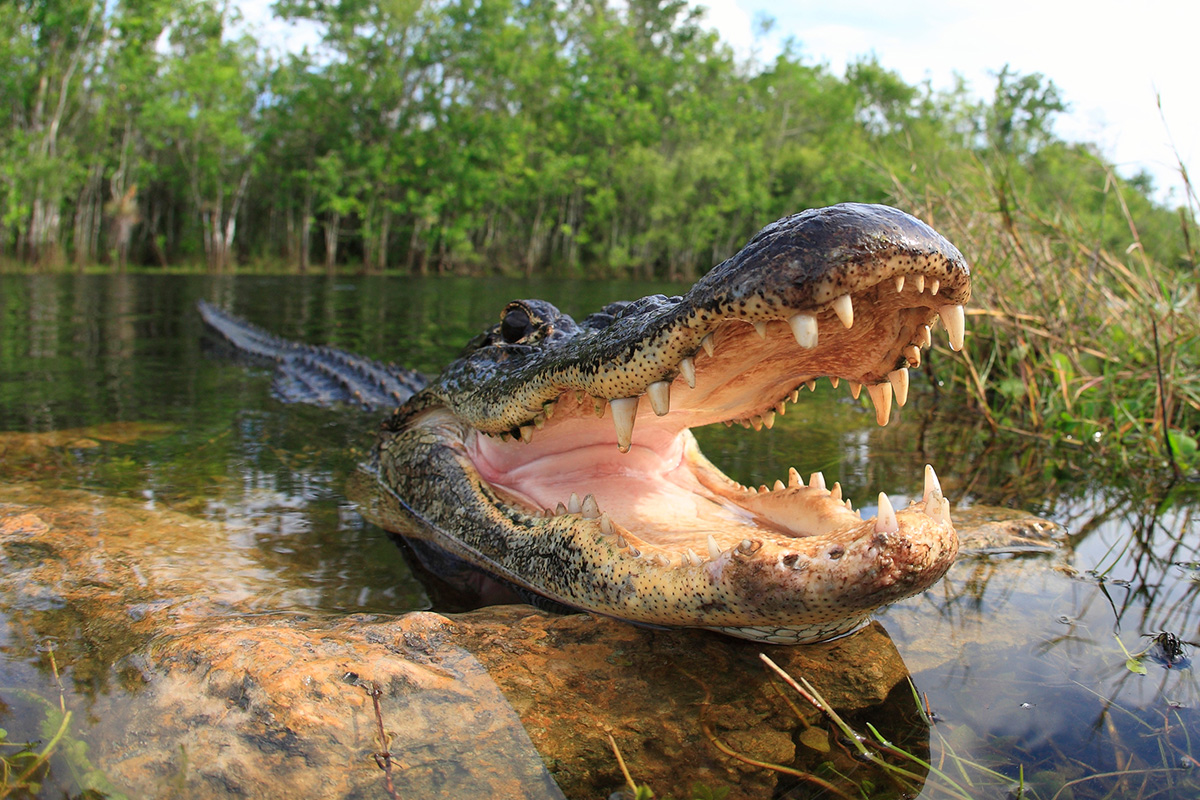
Being mindful of safety also means respecting wildlife. Keep a safe distance, store food securely, and follow local guidelines to protect both visitors and animals. Every adventure is richer when you move through it with respect for the land, the creatures, and your fellow explorers.
Plan Your Days, Not Just Your Route
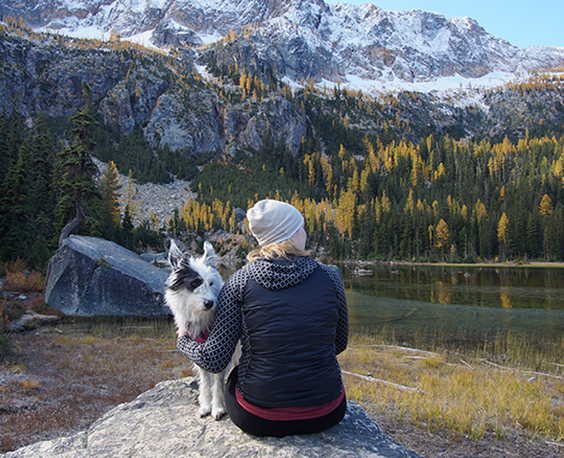
Adventure is as much about flow as it is about activity. So, it might help to plan your day around the natural rhythm of the outdoors. For example, taking a morning hike along a wooded trail before the midday heat really begins, followed by a gentle paddle to keep you cool through the midday hours, then another walk as afternoon sunlight filters through forest canopies, before moments of quiet pause at sunset – a great time for reflection on the day, introspective thought, and getting ready for the new day tomorrow.
By aligning your activities with these rhythms, you transform each experience from a checklist of tasks into an immersive journey, discovering both the energetic and serene sides of nature.
Now that You Know What You Should Do When Planning Outdoor Activities, What’s The Next Step?
Thoughtful planning transforms an outdoor trip into an unforgettable experience. Consider the abilities and interests of everyone in your group, and choose activities that match skill levels and energy. Whether it’s gentle paddling, scenic hikes, or a day by the water, pacing your adventure allows everyone to enjoy both exhilarating and serene moments.
Safety and respect are key though – so follow local guidelines, wear necessary gear, and be mindful of things like water currents or changing conditions. Respect wildlife and the environment too – observe animals from a distance, leave no trace, and dispose of waste properly. Small acts of care like these ensure that the natural beauty you experience remains for future adventurers.
By planning with intention, staying mindful of others, and embracing each moment, you create a journey that is not just a checklist of activities but a series of immersive, shared experiences. This approach answers the question of what you should do when planning outdoor activities, ensuring safety, wonder, and connection every step of the way.